Bok Choy Microgreens: Taste, Nutrition & How to Use Them
Bok choy shares a family grouping with Mustard, Broccoli and Kale on this blog, but it's worth being precise about what that actually means. Broccoli, kale, kohlrabi and cabbage are all Brassica oleracea, the same wild plant bred into different shapes over centuries. Bok choy is Brassica rapa, a separate species that also includes turnips and napa cabbage. Genetically, bok choy sits closer to a turnip than to broccoli, even though it reads visually as a leafy cousin (source). Same genus, same wider Brassicaceae family, different species, and that distinction is part of why bok choy's flavour and texture set it apart from its oleracea relatives.
This guide covers what bok choy microgreens actually are, what's genuinely in them, and how they fit into a meal. For the basics on what separates a microgreen from a sprout or a baby green in the first place, start with What Are Microgreens? A Complete Guide to Nature's Smallest, Most Concentrated Greens, our reference page for everything else on this blog.
What Is a Bok Choy Microgreen?
Bok choy microgreens come from Brassica rapa subsp. chinensis, the same plant grown for the leafy, white-stemmed vegetable common in Chinese cooking. Even at the microgreen stage, the pale stems are visible beneath small, tender green leaves. The flavour is mild, crisp and faintly sweet, with a much gentler edge than mustard or broccoli, closer to a delicate lettuce with a whisper of pepper.
Grown to microgreen size, bok choy is typically ready in ten to fourteen days.
Nutrient Profile
A 1993 peer-reviewed human absorption study, published in the Journal of Food Science, measured calcium absorption from broccoli, bok choy and kale in 15 women, using a test load of about 83 mg of calcium from each source. Fractional calcium absorption averaged 0.520 from bok choy leaves, comparable to kale and higher than typically reported for dairy calcium (full study here). Bok choy's low oxalate content is the reason: unlike spinach, where oxalates bind much of the calcium and limit absorption, bok choy's calcium is largely free to be absorbed. That research is on the mature vegetable rather than the microgreen stage specifically, but the low-oxalate trait is a property of the plant generally, so it's a reasonable, if not directly tested, expectation for the microgreen too.
Bok choy's glucosinolate content at the early growth stage is also worth noting separately. A 2024 peer-reviewed comparative study testing sprouts of seven Brassica rapa subspecies found pak choy sprouts carried 31.73 mg per gram dry weight of total glucosinolates - among the highest of the seven subspecies tested (full study here). Glucosinolates are the same broad compound family that gives mustard its heat and broccoli its research interest, and while bok choy's specific profile leans aliphatic rather than towards broccoli's indolic-dominant pattern, the fact that it ranks highly for total content within its subspecies group is a specific, peer-reviewed result.
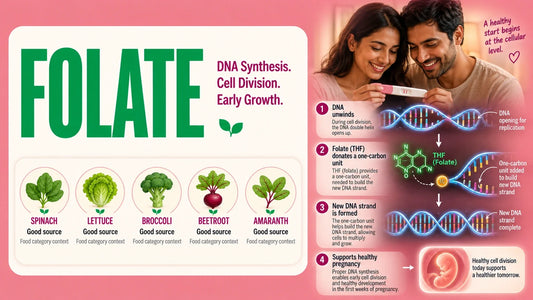
On folate: USDA FoodData Central lists mature bok choy at 66 µg per 100g fresh weight. A microgreen-specific measurement hasn't been published, so we're presenting the mature-plant figure as a reasonable expectation rather than a directly measured microgreen value. Bok choy is also a source of vitamin C and vitamin K, consistent with other Brassica microgreens AgriZen grows.
|
Nutrient / Compound |
Level in Bok Choy Microgreens |
Also Notable For |
|
Calcium |
Good source, well-absorbed |
Low oxalate content supports ~52% fractional absorption in humans (Heaney et al., 1993) - higher than typically reported for dairy |
|
Total Glucosinolates |
Rich source |
31.73 mg/g DW in pak choy sprouts - among highest of 7 Brassica rapa subspecies tested (Bungala et al., 2024) |
|
Folate (B9) |
Present |
Mature bok choy ≈66 µg/100g FW (USDA); microgreen-specific figure not yet published |
|
Vitamin C |
Present |
Common across Brassica microgreens |
|
Vitamin K |
Present |
Worth noting if you're on blood-thinning medication that requires consistent vitamin K intake |
Ratings above are qualitative rather than a single fixed figure, since values shift with growing conditions, harvest age and analysis method.
None of this amounts to a claim that bok choy microgreens treat, prevent or manage any named health condition. They're a nutrient-dense addition to a meal, best eaten as part of a varied diet.
Role in the Body
Bok choy's standout nutrient is calcium, central to bone structure, muscle function and nerve signalling. We go through calcium in more depth, including the oxalate comparison above, in Calcium: Role in the Body, Sources & Which Microgreens Have It, our dedicated nutrient deep-dive.
Bok choy also carries vitamin C, involved in collagen formation and immune function, and vitamin K, best known for its role in blood clotting. We cover both in more depth in Vitamin C: Role in the Body, Sources & Which Microgreens Have It and Vitamin K: Role in the Body, Sources & Which Microgreens Have It, our dedicated nutrient deep-dives.
How to Use Bok Choy Microgreens
Bok choy's mild, crisp sweetness makes it an easy addition to warm, spiced dishes without competing against them, which is exactly why it holds up well finishing a curry or a bowl of dal rather than getting lost in one.
A Quick Growing Note
AgriZen grows every variety the same way, indoors under LED light, watered with RO-purified water, from certified organic seed. We cover that full process, and what the organic-seed certification does and doesn't cover, in How Microgreens Are Grown: From Seed to Harvest.
Frequently Asked Questions
What do bok choy microgreens taste like?
Mild, crisp and faintly sweet, with a much gentler edge than mustard or broccoli, closer to a delicate lettuce with a whisper of pepper.
Is bok choy the same species as broccoli or kale?
No. Broccoli, kale, kohlrabi and cabbage are all Brassica oleracea. Bok choy is Brassica rapa, a separate species that also includes turnips and napa cabbage. They share a genus and a family, not a species, which is part of why bok choy tastes and behaves differently from its oleracea relatives despite the family resemblance.
Is the calcium in bok choy actually absorbed well by the body?
Yes, unusually well for a plant source. A 1993 human study found fractional calcium absorption from bok choy leaves at roughly 52%, higher than typically reported for dairy, thanks to its naturally low oxalate content, which doesn't bind up the calcium the way it does in spinach.
Does bok choy contain glucosinolates like broccoli and mustard?
Yes, and at meaningful levels for a Brassica rapa variety. A 2024 comparative study found pak choy sprouts among the highest of seven Brassica rapa subspecies in total glucosinolate content. The specific compounds differ from broccoli's glucoraphanin profile, but the presence and relative abundance at the early growth stage is well documented.
Which other AgriZen microgreens pair well with bok choy?
Within the wider Brassica family, Mustard, Broccoli and Kale share a similar growing profile, though bok choy's flavour is noticeably milder than any of them.
How long do bok choy microgreens keep after delivery?
Like any fresh, ready-to-eat leafy product, they're best eaten within a few days of delivery and should be kept refrigerated in the meantime. For the full storage guidance, see How to Store Microgreens at Home to Make Them Last Longer.
A Small, Gentle Addition
Bok choy is a good reminder that "same family" doesn't mean "same plant", and that its calcium, unlike spinach's, is genuinely well absorbed rather than mostly locked away by oxalates - a distinction backed by human absorption data, not just a compositional claim. Grown indoors under LED light on AgriZen's shelving, watered with RO-purified water, and cut fresh to order, bok choy is one of the milder, gentler additions on the menu.
Previous
Sango Radish Microgreens: Taste, Nutrition & How to Use Them
Next
Turnip Microgreens: Taste, Nutrition & How to Use Them