Lettuce Microgreens: Taste, Nutrition & How to Use Them
Romaine lettuce has been recalled often enough over the past several years that a lot of people have grown wary of lettuce in general, and it's worth understanding why, because the reason doesn't really apply here. FDA's investigation into one of the largest of these outbreaks traced the contamination back to an irrigation canal near a cattle feeding operation in a major field-growing region, water that came into direct contact with the crop in an open field (full report here). Lettuce microgreens are grown indoors, in a controlled growing medium, watered with RO-purified water rather than field irrigation, with no open-field runoff or livestock exposure anywhere in the process. Same plant, structurally different growing environment. Ordinary food safety practice, like refrigerating and eating fresh produce promptly, still applies regardless.
Lettuce sits in the Leafy & Herb family, alongside Spinach, Coriander and Basil. This guide covers what lettuce microgreens actually are, what's genuinely in them, and how they fit into a meal. For the basics on what separates a microgreen from a sprout or a baby green in the first place, start with What Are Microgreens? A Complete Guide to Nature's Smallest, Most Concentrated Greens, our reference page for everything else on this blog.
What Is a Lettuce Microgreen?
Lettuce microgreens come from Lactuca sativa, the same species behind every lettuce variety, from romaine to butterhead. The leaves are tender and pale green, with a flavour that's mild, slightly sweet and crisp, essentially a more concentrated version of a good baby lettuce rather than anything resembling the milder crunch of a mature head.
Grown to microgreen size, lettuce is typically ready in ten to fourteen days.
Nutrient Profile
A 2022 peer-reviewed study, published in the journal Foods, compared six lettuce landraces and five commercial varieties across the microgreen, baby-leaf and adult stages. It found ascorbic acid content 42% higher and phenolic content 79% higher at the early stages compared to adult lettuce (full study here). That's a specific, lettuce-only result rather than a general claim borrowed from other vegetables.
A separate 2020 peer-reviewed study on butterhead lettuce, published research indexed on PubMed, identified the specific phenolic compounds that concentrate at the microgreen stage: chlorogenic acid, quercetin malonyl glucoside, rutin, and coumaroyl quinic acid were found most concentrated in the microgreens, while feruloyl tartaric acid dominated the mature leaf instead (full study here). Naming the actual compounds is more useful than a general "rich in antioxidants" claim, since chlorogenic acid and rutin both have their own substantial research literature.
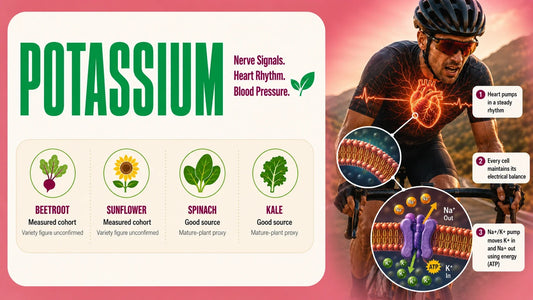
The same study also found an honest split on minerals: calcium and magnesium were higher in the microgreens regardless of cultivar, while phosphorus, potassium and nitrate were actually higher in the mature leaves. Not every nutrient favours the earlier growth stage, and it's worth saying so rather than implying microgreens win across the board.
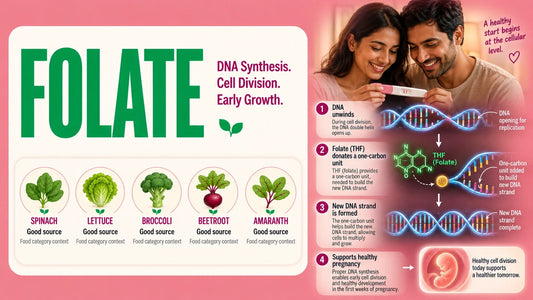
On folate: lettuce variety matters more than most people realise. USDA FoodData Central lists iceberg lettuce at 29 micrograms of folate per 100 g, while romaine (cos) lettuce carries roughly 136 micrograms per 100 g, nearly five times as much. AgriZen doesn't have a microgreen-specific folate figure to cite directly, so we're presenting the mature-leaf USDA values as the closest reference point, with the reminder that romaine-type lettuce is the stronger folate source of the two.
|
Nutrient / Compound |
Level in Lettuce Microgreens |
Also Notable For |
|
Vitamin C (Ascorbic Acid) |
Higher than adult lettuce |
Roughly 42% higher per Martinez-Ispizua et al. (2022) |
|
Phenolic compounds (chlorogenic acid, quercetin malonyl glucoside, rutin) |
Higher than adult lettuce and specifically named |
Roughly 79% higher overall; specific compounds confirmed by PubMed 32260224 |
|
Calcium & Magnesium |
Higher than adult lettuce |
Consistent across cultivars per the same 2020 study |
|
Potassium, Phosphorus & Nitrate |
Lower than adult lettuce |
An honest exception to the usual microgreen-nutrient-density pattern |
|
Folate (B9) |
Present - variety-dependent |
Romaine-type lettuce (~136 mcg/100g) carries roughly 5x more than iceberg (~29 mcg/100g), USDA mature-leaf data |
Ratings above are qualitative rather than a single fixed figure, since values shift with growing conditions, lettuce variety, harvest age and analysis method.
None of this amounts to a claim that lettuce microgreens treat, prevent or manage any named health condition. They're a nutrient-dense addition to a meal, best eaten as part of a varied diet.
Role in the Body
Lettuce's most relevant nutrient for this blog's purposes is folate, a B-vitamin involved in cell division and DNA synthesis. We go through folate in more depth, including how lettuce compares to other AgriZen varieties, in Folate (Vitamin B9): Role in the Body, Sources & Which Microgreens Have It, our dedicated nutrient deep-dive.
How to Use Lettuce Microgreens
Lettuce's mild, crisp sweetness makes it a natural base rather than just a garnish, closer to how you'd use a handful of baby greens than a finishing touch.
A Quick Growing Note
AgriZen grows every variety the same way, indoors under LED light, watered with RO-purified water, from certified organic seed. We cover that full process, and what the organic-seed certification does and doesn't cover, in How Microgreens Are Grown: From Seed to Harvest.
Frequently Asked Questions
What do lettuce microgreens taste like?
Mild, slightly sweet and crisp, essentially a more concentrated version of a good baby lettuce.
Are lettuce microgreens grown the same way as the romaine lettuce linked to recalls?
No. The recalls tied to romaine have generally traced back to open-field growing, irrigated with water that came into contact with livestock operations. Lettuce microgreens are grown indoors, in a controlled medium, watered with RO-purified water, with no field runoff or livestock exposure in the process.
Are lettuce microgreens more nutritious than mature lettuce on every measure?
Not on every measure, and it's worth being precise about that. Vitamin C, phenolics, calcium and magnesium do run higher in the microgreen and baby-leaf stages. But potassium, phosphorus and nitrate were actually found higher in mature leaves in the same study. It's a mixed picture, not a blanket win.
Which type of lettuce has the most folate?
Romaine-type (cos) lettuce, at roughly 136 mcg per 100g according to USDA data, compared to around 29 mcg per 100g for iceberg. That's mature-leaf data; a microgreen-specific folate figure hasn't been published.
Which other AgriZen microgreens pair well with lettuce?
Within the Leafy & Herb family, Spinach, Coriander and Basil share a similar growing profile and combine naturally in a salad bowl built around a lettuce base.
How long do lettuce microgreens keep after delivery?
Like any fresh, ready-to-eat leafy product, they're best eaten within a few days of delivery and should be kept refrigerated in the meantime. For the full storage guidance, see How to Store Microgreens at Home to Make Them Last Longer.
A Small, Familiar Addition
Lettuce is a good reminder that a plant's food safety history is often about how and where it's grown, not the plant itself, and that even a nutrient-dense microgreen doesn't automatically outperform the mature plant on every single measure. Grown indoors under LED light on AgriZen's shelving, watered with RO-purified water, and cut fresh to order, lettuce is one of the most familiar, versatile additions on the menu.
Previous
Flax Microgreens: Taste, Nutrition & How to Use Them
Next
Basil Microgreens: Taste, Nutrition & How to Use Them