Affilia Pea Microgreens: Taste, Nutrition & How to Use Them
Most people who spot a tangle of curly, wiry tendrils in their order don't guess pea. Pea, to most of us, means round and green, spilling out of a pod. Affilia pea microgreens don't look anything like that, and that's really the point: it's the same plant, just caught at a stage before the part we usually recognise has had any reason to show up.
That tendril shape isn't a growing accident either. It comes from a specific, well-documented genetic trait in the pea plant, one that plant breeders have deliberately selected for. More on that below.
Affilia pea sits in the Legume family, alongside Fenugreek, Kulthi and Alfalfa, three other microgreens that share peas' knack for packing in plant nutrients at this early stage of growth. This guide covers what an Affilia pea microgreen actually is, what's in it nutritionally, how it fits into a meal, and how AgriZen grows it. For the basics on what separates a microgreen from a sprout or a baby green in the first place, start with What Are Microgreens? A Complete Guide to Nature's Smallest, Most Concentrated Greens, our reference page for everything else on this blog.
What Is an Affilia Pea Microgreen?
Affilia, also spelled Afila or Affilla, isn't a different species of pea. It's a Pisum sativum variety bred around a specific genetic trait: a recessive mutation in the gene researchers call Af (Afila), which converts what would normally be flat compound leaflets into extra curling tendrils instead. A genotyping study of pea cultivars, published in the peer-reviewed journal Plants, confirms this semi-leafless, multi-tendril trait is controlled by that single gene and is what plant breeders rely on to produce tendril-type peas in the first place (full study here).
The genetic basis of that trait has been precisely identified in recent research: a 2024 study in Physiologia Plantarum found the Afila trait results from the deletion of two tandem transcription factor genes, PsPALM1a and PsPALM1b, that promote leaflet development (full study here). This is worth naming clearly: it is an architecture and agronomic trait, not a nutritional one. Semi-leafless cultivars now make up a large share of commercial pea acreage precisely because their tendril canopy reduces lodging and improves airflow, not because of any demonstrated nutritional difference from leafed varieties. No peer-reviewed study has shown the Af gene alters the microgreen's nutrient profile.
Practically, that means an Affilia pea microgreen looks different from most other legume microgreens on this list. Instead of a flat pair of seed leaves, you get a small tuft of pale to medium green, spring-coiled tendrils sitting on a tender stem. Grown to microgreen size, usually harvested at ten to fourteen days, it tastes close to a fresh, sweet garden pea, with a light grassy note and none of the starchiness of a mature pea. It's one of the milder, more approachable microgreens AgriZen grows, which is part of why it shows up so often in kid-friendly recipes.
Nutrient Profile
USDA FoodData Central's nutrient composition records for raw pea sprouts list them as a good source of vitamin C, along with meaningful amounts of folate, iron and manganese, while staying low in calories. Exact figures shift depending on growing conditions, harvest age and which specific analysis you're looking at, so it's more useful to think of pea microgreens as consistently nutrient-dense rather than to fixate on one precise number.
To put the vitamin C in context: Xiao et al. (2012) measured total ascorbic acid across 25 commercially grown microgreens and found a range of 20.4 to 147.0 mg per 100g fresh weight across the full set, with pea shoots in the mid-range of that panel (full study here). The highest result in that study was red cabbage at 147 mg/100g. Pea isn't the top performer on vitamin C, but it's a consistent, reliable source across varying growing conditions.
A 2019 peer-reviewed study out of the University of Peradeniya in Sri Lanka, published in the Ceylon Journal of Science, compared green pea at the seed, sprout and microgreen stages. It found the microgreen stage carried a total phenolic content of roughly 1,871 mg per 100g dry weight, clearly higher than the same peas eaten as raw seeds or as sprouts, alongside stronger antioxidant activity (full study here). Phenolic compounds and antioxidant activity aren't the same thing as a specific vitamin or mineral, but the study is a useful, independently verified data point for why the microgreen stage of a pea plant is worth eating on its own terms.
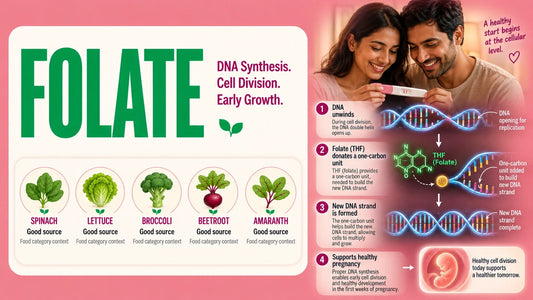
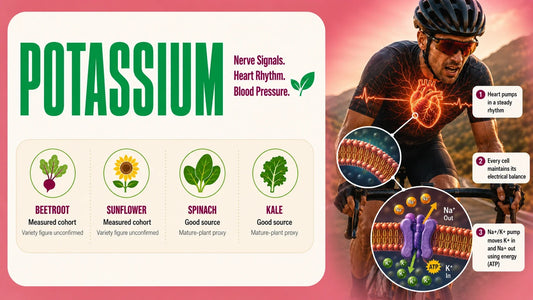
On folate specifically: a precise pea-microgreen figure has not been published in a peer-reviewed study. The closest documented proxy is USDA data for raw pea shoots at around 91 µg per 100g, which we're noting as a mature-plant expectation rather than a directly measured microgreen value.
It's worth being precise about what all this does and doesn't mean. It's evidence that harvesting a pea plant at the microgreen stage concentrates certain beneficial plant compounds compared to the seed or sprout stage of the same variety. It isn't evidence that Affilia pea microgreens treat or prevent any specific health condition, and they're best thought of as a nutrient-dense addition to a meal rather than a stand-in for the peas, dals or other protein-rich vegetables already on your plate.
|
Nutrient |
Level in Affilia Pea |
Also Notable For |
|
Vitamin C |
Good source |
Mid-range of 25 microgreens tested; range across the panel was 20.4–147 mg/100g FW (Xiao et al., 2012) |
|
Plant Protein |
Rich source |
Carried over from the pea seed's naturally high protein content |
|
Folate (B9) |
Present |
USDA pea shoots ≈91 µg/100g; no microgreen-specific figure yet published |
|
Iron |
Present |
Common across the Legume family, alongside Fenugreek and Kulthi |
|
Manganese |
Present |
A trace mineral found in most fresh, leafy microgreens |
Ratings above are qualitative, based on USDA FoodData Central's composition records for pea sprouts and the Senevirathne et al. (2019) study cited earlier. We've deliberately avoided quoting a single precise per-100g figure where published values vary meaningfully by growing method, harvest age and lab.
Role in the Body
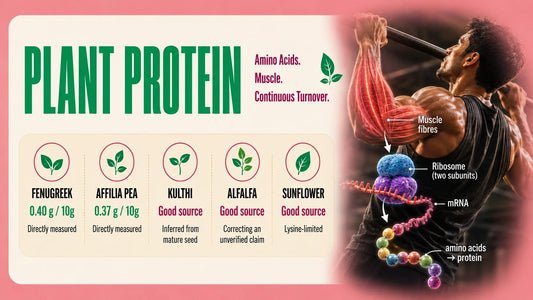
Like the other three microgreens in AgriZen's Legume family, Affilia pea is grown from a seed that's naturally rich in plant protein, and that head start carries through into the microgreen. Plant protein plays a role in muscle repair, enzyme function and general cell maintenance. We go through the fuller picture, including how legume microgreens compare to each other and to more familiar plant protein sources, in Plant Protein: Role in the Body, Sources & Which Microgreens Have It, our dedicated nutrient deep-dive.
It's also a reasonable source of vitamin C, a water-soluble vitamin involved in collagen formation and general immune function, and one that the human body can't store, so it needs regular dietary top-ups. The Ceylon Journal of Science research cited above found antioxidant activity was highest at exactly this microgreen stage, ahead of the same pea eaten as a raw seed or a sprout.
Alongside that, Affilia pea carries folate (vitamin B9), a B-vitamin involved in cell division and DNA synthesis, and small amounts of iron, a mineral that's part of how the body transports oxygen through the blood. Neither is present in the kind of concentration that would make Affilia pea a primary source of either nutrient on its own, but they add up meaningfully as part of a varied diet. Once dedicated Vitamin C, Folate and Iron posts are live, we'll link out from here.
How to Use Affilia Pea Microgreens
Affilia pea's flavour, sweet, green and mild, makes it one of the more forgiving microgreens to cook with, since it rarely competes with whatever else is on the plate. That mildness is also why it turns up in kid-friendly recipes more often than sharper varieties like mustard or radish.
A Quick Growing Note
AgriZen grows every variety the same way, indoors under LED light, watered with RO-purified water, from certified organic seed. We cover that full process, and what the organic-seed certification does and doesn't cover, in How Microgreens Are Grown: From Seed to Harvest.
The one thing that's genuinely different about Affilia pea is the seed itself. Pea seeds are considerably larger and harder than something like radish or basil seed, so they get a longer pre-soak before sowing to soften the seed coat and encourage even germination across the tray.
Frequently Asked Questions
What does an Affilia pea microgreen taste like?
Sweet and green, close to a fresh garden pea straight out of the pod, with a light grassy note. It's one of the milder microgreens AgriZen grows, without the peppery bite you'd get from mustard or radish.
Does the Affilia (Af) gene change the nutritional profile compared to regular peas?
No. The Af gene is an architecture and agronomy trait, responsible for the tendril shape and canopy structure that plant breeders select for lodging resistance. No peer-reviewed study has shown it alters the nutrient content of the microgreen relative to a leafed pea variety.
Is Affilia pea the same as a regular sprouted pea?
No. A sprouted pea is germinated in water with no soil and no light, and the whole sprout, including the seed, is eaten. Affilia pea microgreens are grown in a lit, controlled setup and cut above the growing medium, leaving the seed and root behind. For more on how that distinction plays out in flavour, appearance and food safety, see What Are Microgreens? A Complete Guide to Nature's Smallest, Most Concentrated Greens.
Which other AgriZen microgreens pair well with Affilia pea?
Within the Legume family, Fenugreek, Kulthi and Alfalfa all share a similar growing profile, though each has a distinct flavour of its own, from fenugreek's bitterness to alfalfa's mild crunch. Outside the family, sunflower microgreens are a common pairing, since both are mild and work well together in a sandwich or bowl.
How long do Affilia pea microgreens keep after delivery?
Like any fresh, ready-to-eat leafy product, they're best eaten within a few days of delivery and should be kept refrigerated in the meantime. For the full storage guidance, see How to Store Microgreens at Home to Make Them Last Longer.
A Small, Sweet Addition
Affilia pea is a good example of what makes microgreens worth growing in the first place: the same plant genetics that give a mature pea plant its curling tendrils show up here in miniature, just a couple of weeks into the plant's life, in a form that's ready to eat straight from the tray. Grown indoors under LED light on AgriZen's shelving, watered with RO-purified water, and cut fresh to order, it's a small, dependable addition to a meal rather than a replacement for the peas and dals already in your kitchen.
Previous
Turnip Microgreens: Taste, Nutrition & How to Use Them
Next
Kulthi Microgreens: Taste, Nutrition & How to Use Them